Instagram Reels Ads: Hooks, Scripts, and AI UGC Structure
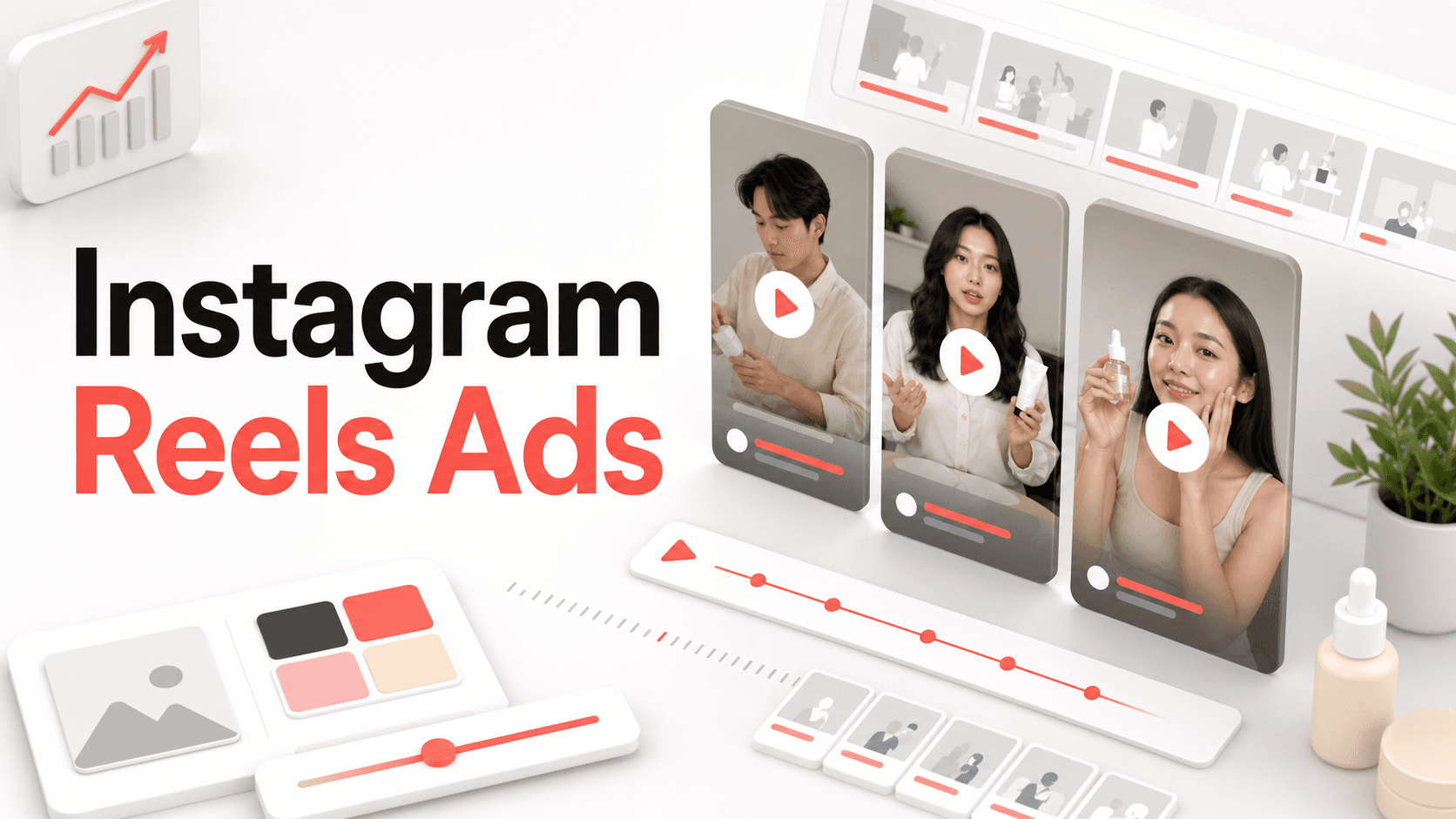
Bottom line: Reels ads need a fast first second, a single message, and a native-feeling creator delivery. AI helps when it creates many hook and presenter combinations without slowing the test cycle.
The first second decides the test
A Reels ad should make the viewer understand the situation immediately. The first line can be a problem, a visual demonstration, a comparison, or a surprising product use case.
Avoid slow brand intros. Put the product or the customer problem on screen early, then use the creator voice to explain why the viewer should keep watching.
Script for one idea
Most weak Reels ads try to cover the whole product page. Strong direct-response Reels choose one reason to care, one proof point, and one next step.
A simple script structure is hook, product context, proof or mechanism, objection handling, and CTA. Keep the spoken version natural enough that it sounds like a creator, not a product brochure.
Use AI for iteration speed
Once one Reels angle works, AI can quickly create new openings, avatar variations, and script pacing around the same core message.
The safest workflow is to generate multiple variants, review the claims, launch a controlled paid test, and feed the result back into the next batch.
FAQ
What length works for Instagram Reels ads?
Short direct-response Reels often work in the 12 to 25 second range, but the right length depends on price point, category, and how much proof the offer needs.
Should Reels ads look polished?
They should look intentional, but not necessarily like a brand film. Native creator pacing usually matters more than heavy production.
Can I use the same AI ad on TikTok and Reels?
Often yes, but review the hook, caption, safe zones, and CTA for each platform before launch.