UGC Ad Script Examples: Hooks, Proof, and CTA Structure
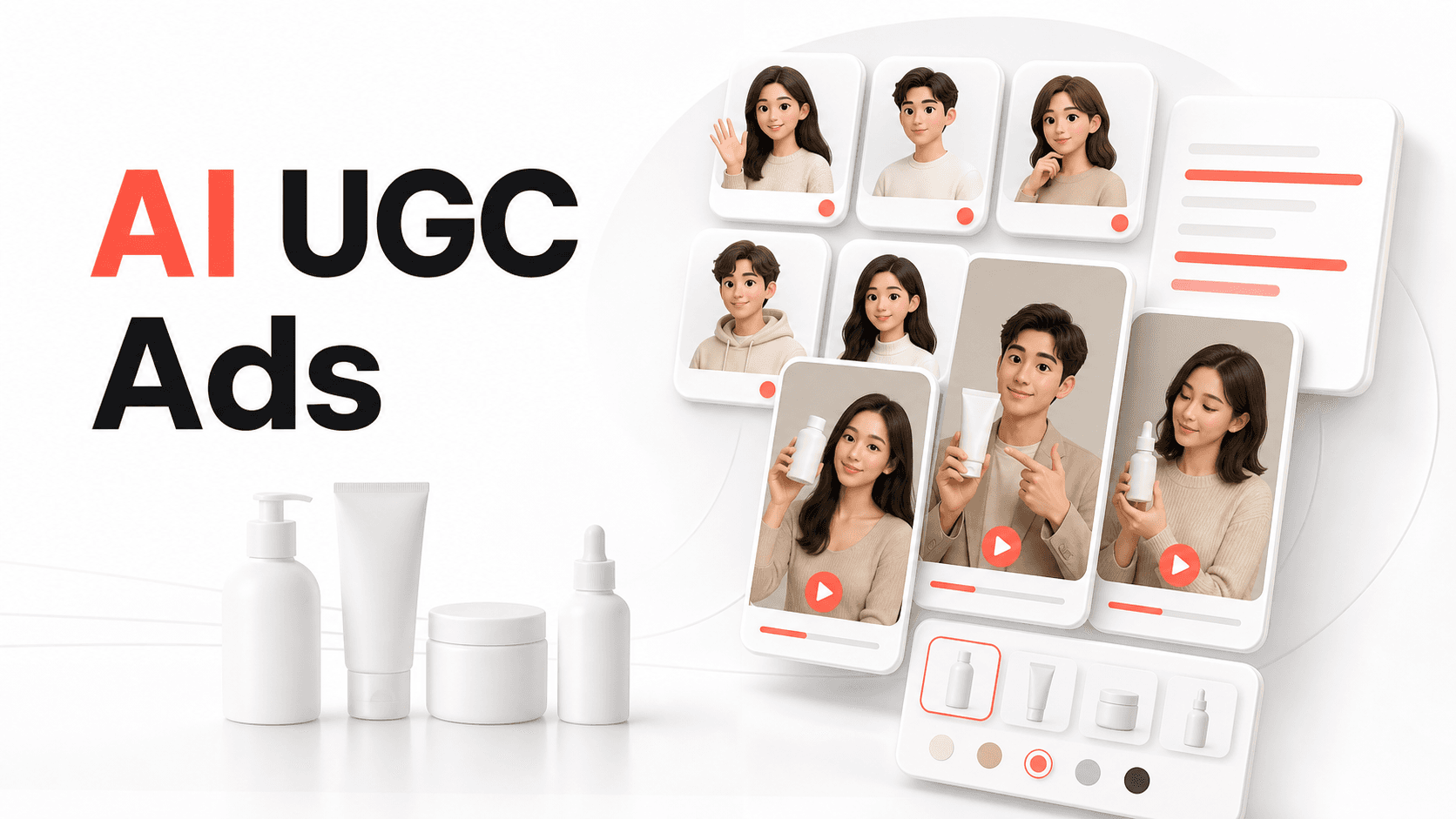
A strong UGC ad script is simple: stop the scroll, name the problem, show the product, prove the point, and ask for the next click. AI makes this repeatable across many angles.
A simple script formula
Use this structure: hook, problem, product context, proof, objection answer, CTA. The opening should sound like a person noticing a real problem, not a brand slogan.
For AI avatar ads, keep the sentence rhythm short. Long clauses make the delivery feel less native and harder to caption.
Example hooks to test
Try problem-first hooks like 'I did not realize this was why my routine kept failing' or comparison hooks like 'I tried the cheaper version, and this is what changed.'
For product URL workflows, pull the hook from the page's strongest benefit, review language, or objection. That keeps the script grounded in what buyers already care about.
FAQ
How many hooks should I write per product?
Start with at least five. The first sentence is often the biggest difference between variants.
Should the script mention the brand name early?
Usually not in the first sentence unless the brand already has strong recognition. Start with the problem or benefit.